
Neuroplasticity, the brain’s remarkable ability to change, adapt, and form new neural connections, is the biological engine driving early childhood development. It is during this critical period that the neural architecture for a lifetime of thinking, problem-solving, and emotional regulation is established. While genetics provide the blueprint, the child’s rich environment and social interactions are the primary sculptors, a process illuminated by the convergence of developmental psychology and neuroscience.
The Plastic Brain: A Period of Unrivaled Potential
The young brain operates in a state of “exuberant synaptogenesis,” creating an extraordinary number of new synapses—more connections, in fact, than an adult brain. This highly dense network is then refined by experience through synaptic pruning, where frequently used pathways are strengthened and unused ones are eliminated. This experience-driven efficiency is what makes early childhood the “window of opportunity” for building robust cognitive and emotional skills.
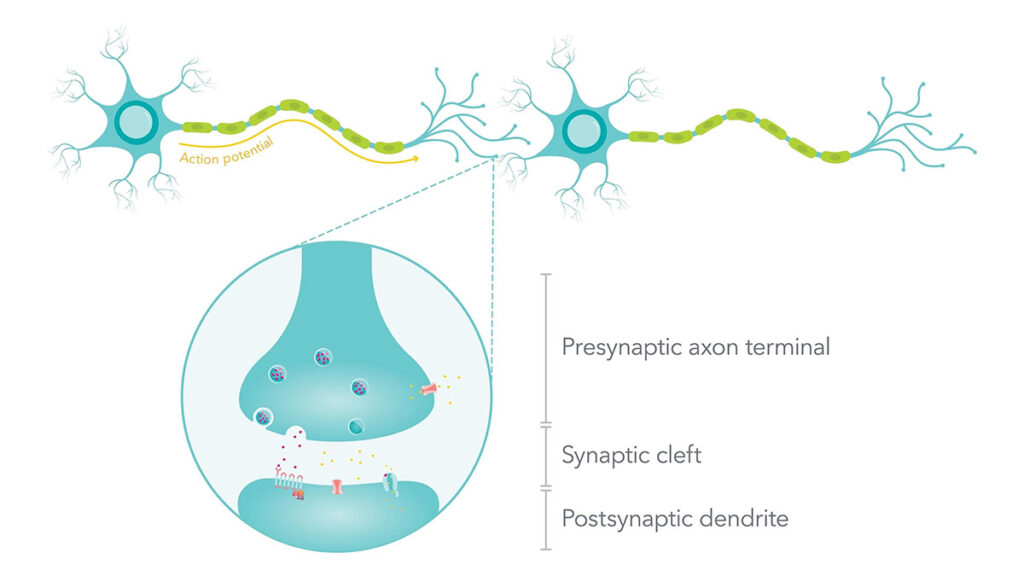
Optimal skill formation for critical thinking, complex problem-solving, and sound emotional regulation requires the strengthening of specific, high-level neural networks.
💡 Vygotsky’s Sociocultural Theory: The Social Scaffolding of Thought
The work of developmental psychologist Lev Vygotsky offers a crucial framework for understanding how neuroplasticity is leveraged for optimal cognitive development. Vygotsky argued that higher-order cognitive functions—including critical thinking and problem-solving—are not developed in isolation but are socially constructed.
* The More Knowledgeable Other (MKO): Vygotsky posited that children learn through interactions with an MKO (e.g., parent, teacher, older peer) who models complex skills and language. This interaction drives the formation of the sophisticated neural networks required for critical analysis.
* The Zone of Proximal Development (ZPD): The ZPD is the space between what a child can achieve independently and what they can achieve with guidance. Engaging a child within this zone—providing just enough support or “scaffolding”—maximizes the brain’s plasticity by challenging it to form new, more complex connections needed to internalize the skill. For critical thinking, this means engaging in dialogues, asking “why,” and encouraging imaginative problem-solving before the child can fully articulate the solution alone.
* Language as a Tool: For Vygotsky, language is the primary tool for thought. Rich, complex verbal engagement in early childhood strengthens the neural circuits associated with executive function and logical reasoning, which are prerequisites for adult-level critical thinking.
🎭 Jungian Archetypes and Emotional Regulation: Shaping the Inner World
While Vygotsky addresses the outward, cognitive scaffolding, the theories of Carl Jung provide insight into the shaping of the child’s inner emotional and psychological landscape, which is fundamental to self-regulation and emotional intelligence—key components of effective problem-solving.
Emotional regulation, the ability to manage one’s emotional state to achieve goals, is heavily dependent on the development of the prefrontal cortex, a process highly influenced by early experiences.
* The Self and Individuation: Jung’s concept of individuation—the process of becoming a unified, whole individual—begins in childhood. A nurturing environment that supports a child’s unique emotional and behavioral expressions without excessive judgment fosters the formation of a resilient sense of Self. This emotional security is neurologically linked to the stability of the limbic system, allowing the prefrontal cortex to develop the necessary inhibitory control over emotional impulses.
* Shadow and Integration: The Shadow represents the repressed, unacknowledged aspects of the personality. When caregivers create a safe space for children to express “negative” emotions (anger, fear, frustration), the child learns to integrate these feelings rather than repressing them. This active, conscious processing strengthens the neural connections between the emotional centers and the logical reasoning centers, preventing emotional outbursts from overwhelming critical thought processes later in life. A child who can process complex emotions is better equipped to handle ambiguity and stress—essential for advanced problem-solving.
🎯 The Convergence: A Blueprint for Optimal Development
The synergy between neuroplasticity, Vygotsky’s MKO, and Jung’s Individuation forms a powerful blueprint for optimizing cognitive and emotional growth:
- Enrichment and Challenge: Caregivers must provide a rich, language-dense, and challenging environment that operates just within the child’s ZPD. This activity forces the young brain to stretch and strengthen the neural pathways associated with higher-order functions.
- Emotional Safety and Integration: Create an emotionally secure environment where all facets of the child’s emotional experience are validated. This support stabilizes the emotional brain, freeing up energy for the development of the prefrontal circuits necessary for executive function, critical analysis, and wise decision-making.
- Modeling and Internalization: By acting as the MKO in both cognitive and emotional domains (e.g., modeling logical reasoning for a puzzle and modeling calm emotional processing after a disappointment), adults provide the template for the child’s brain to internalize the complex skills required for a lifetime of effective thinking and self-regulation.
By recognizing early childhood as a period of profound neural malleability and applying the wisdom of developmental theories, we can ensure the brain’s plasticity is harnessed to build not just knowledge, but the capacity for deep, critical, and emotionally intelligent thought.
Created by Henrik Frederiksen [founder ElephantTribe.org] with the assistance of Gemini AI.